
In 1948, The Denver Post started a 30-part series chronicling the most notable mansions in the Mile High City for a new wave of residents moving to our town following World War II.
Edith Eudora Kohl penned the series, but little did she know that roughly a third of the mansions would survive to 2018. The homes were built by the affluent who earned their wealth in the early days of Denver and the Colorado territory. Miners, bankers, railroad tycoons retailers and others built opulent mansions to reflect the wealth earned from the gold and silver rushes in the Rocky Mountains.
The homes featured in Kohl’s mansion were not spared since 9 of homes are still homes, some preserved before the wrecking ball sealed their fate. But two-thirds of houses featured are gone by way of bulldozers for office buildings and parking lots.
We will explore the mansions that were, along with the remaining mansions and other historic buildings in and around Denver.
Croke Mansion – 11th and Pennsylvania
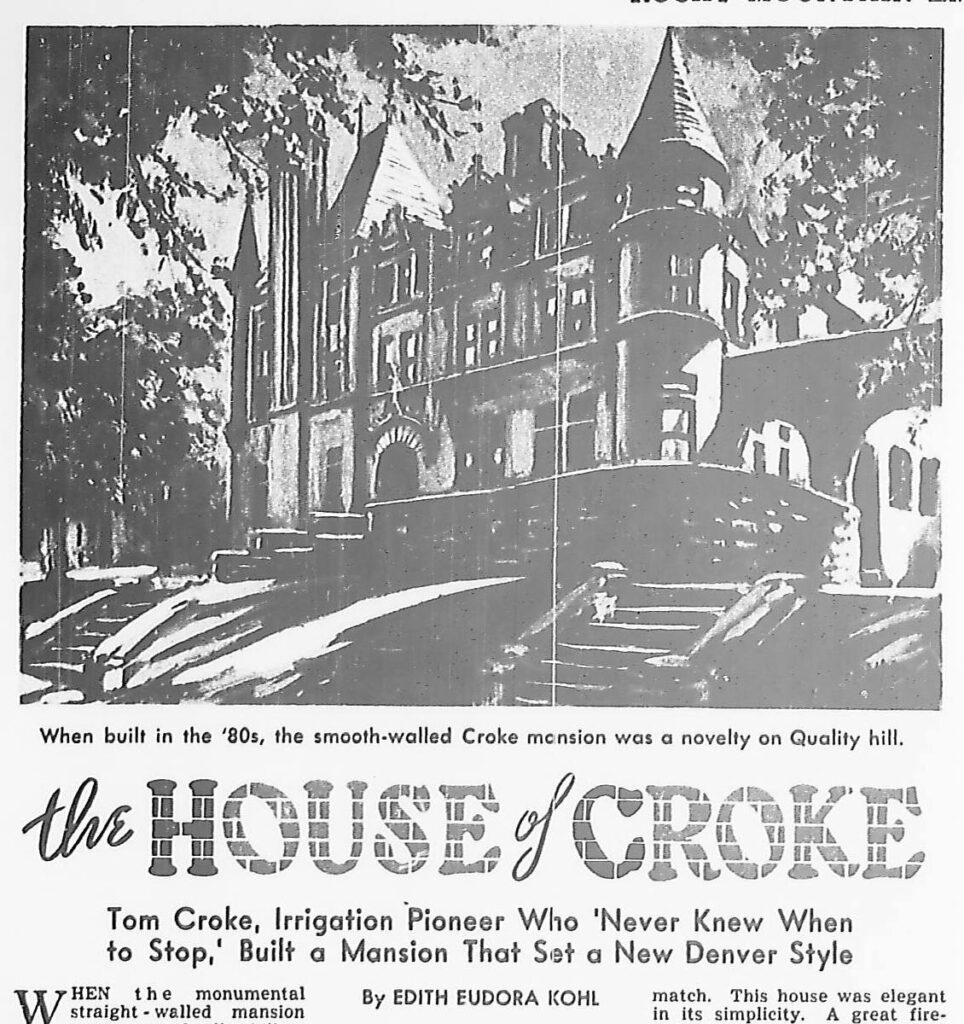
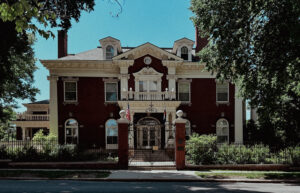
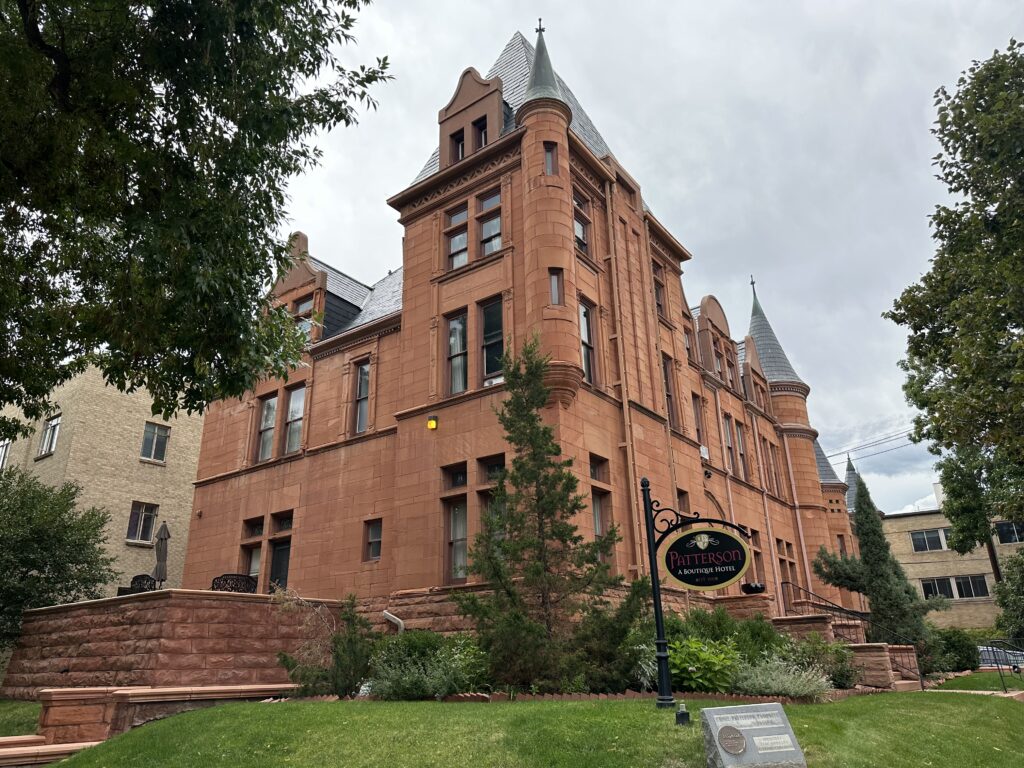
“Standing close to the street with a broad flight of steps to the main entrance, the four-story structure of smooth red stone towered like a chiseled mountain wall, a notable contrast to the elaborate carving which had been the vogue” -Edith Eudora Kohl
The mansion on the southwest corner of 11th and Pennsylvania was built for Thomas B. Croke, a schoolteacher turned owner of a 3,500-acre farm in what is now the suburb of Northglenn.
Within less than six months of moving in, Croke decided to sell the mansion and relocate to his ranch. The mansion was then sold to Thomas M. Patterson, who was the owner of the Rocky Mountain News and a U.S. senator from Colorado, for additional farmland. Patterson then owned the mansion in 1893, and it stayed within the family for three decades. In 1930, the mansion was converted into apartments.
The interior had a spacious design, with hand-polished oak on either side of the double doors. The casings and fireplaces were sawed from the same log, ensuring that the grain matched. The library, parlor and dining room were located on either side of the great hall.
The ballroom was located on the ground floor (basement), with the kitchen, laundry, and other utility rooms in a wing connected to the main building by an imposing archway.
There was a large playroom on the top floor, near the servants’ quarters.
Over the years, the Croke-Patterson mansion also earned a reputation for paranormal activity with reported hauntings. Croke’s mother passed away in the short time his family lived there, while Patterson and his wife also died in the house.
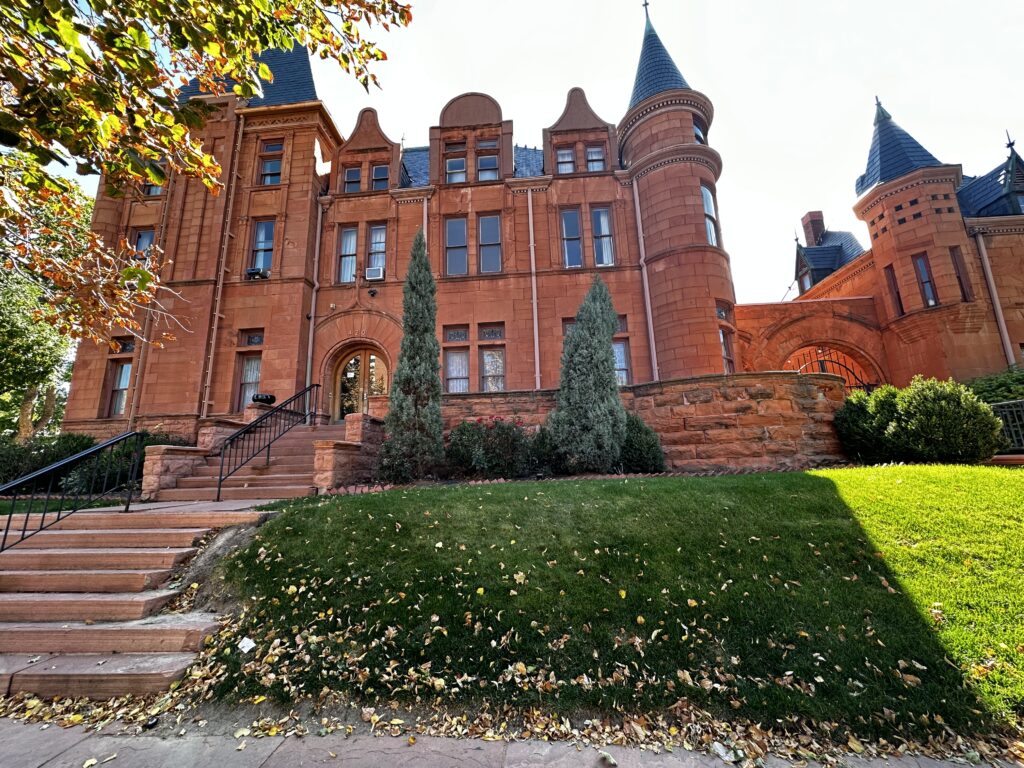
Efforts were made in the early 1970s to save the mansion from demolition, and it was eventually listed as a Denver landmark and on the National Register of Historic Places in 1973.
The mansion was converted into a bed and breakfast and features refurbished hardwood trim, original stained-glass windows, vintage telephones, and restored chandeliers.
The Patterson Inn Boutique Hotel is part of the Denver Architecture Foundation’s Doors Open Denver ticketed tours.
Constitution Hall – 1501 Blake Street
On April 24, 1977, a historic 3-story building on the corner of 15th and Blake was razed. Firefighters spent two hours trying to save the site where Colorado’s Constitution was drafted in 1875 and signed in 1876.
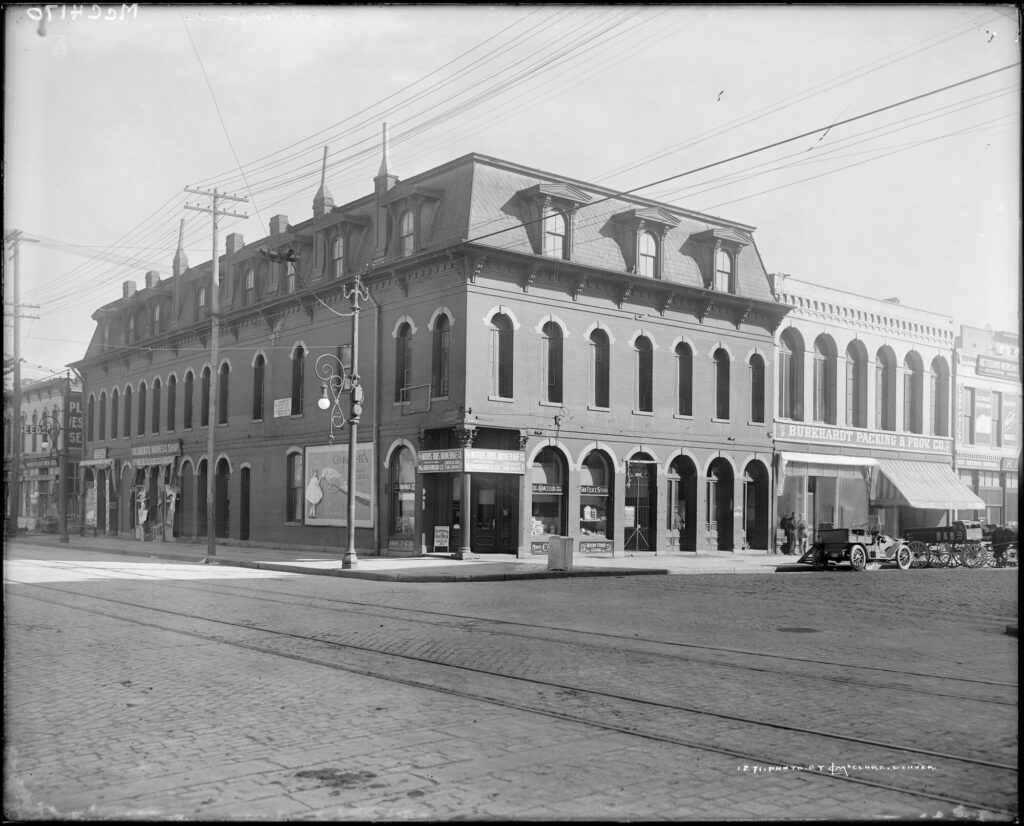
The structure was also the first site for Colorado National Bank. The brick building served as the headquarters for a local hotel and restaurant supply company, Stores Equipment Corp.
The Rocky Mountain News also reported that one firefighter was injured when some debris fell from the roof. Another person, 19-year-old William Franz, was taken to Denver General Hospital to be treated for smoke inhalation and released.
The brick structure was built before 1865, in what was then the heart of Denver’s fledgling business district.
Constitution Hall was designated a Denver historic landmark by the Denver City Council on June 2, 1968, along with several other sites, including the Governor’s Mansion and Emmanuel Sherith Israel Chapel, located at 1201 10th St.
Investigators determined that the fire was set intentionally and charges were filed against Keith Sherwood Urstadt, a 25-year-old who had briefly worked as a truck driver for the Stores Equipment Corp. He was initially questioned following the blaze, but was released due to lack of evidence. A year later, Urstadt plead guilty to second-degree arson after reaching a settlement to drop two additional charges.
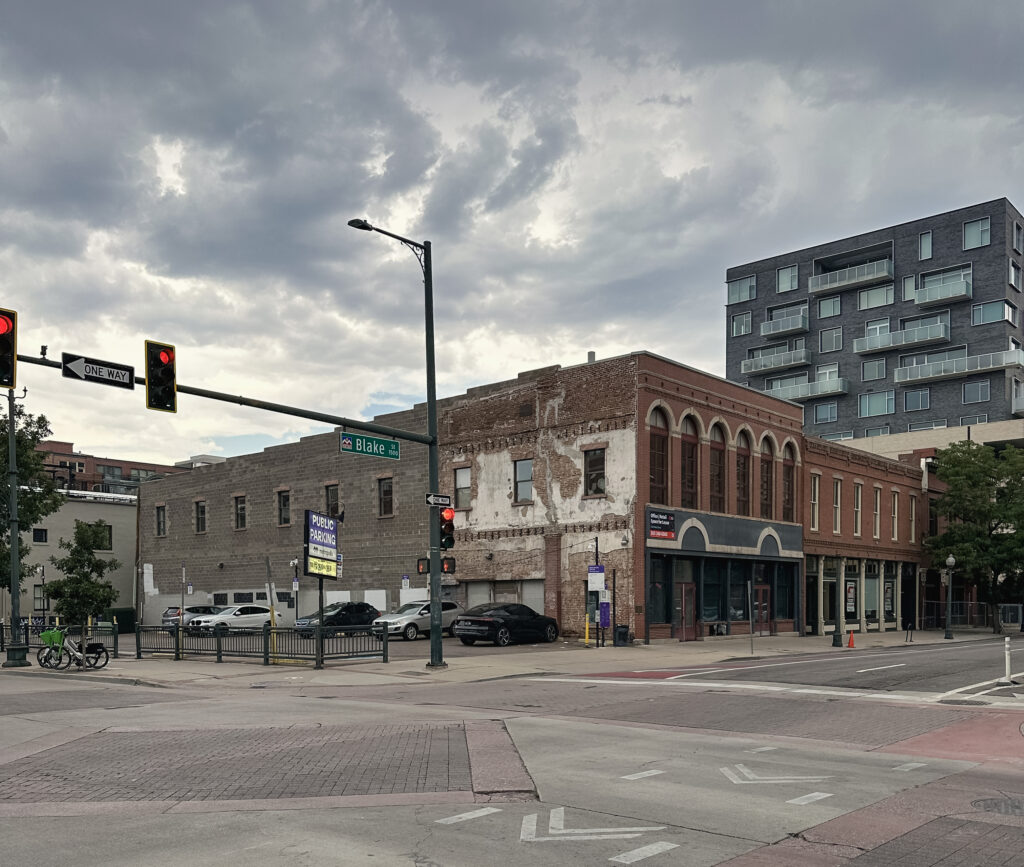
While most of the structure was lost, efforts were raised to save the facade from demolition, but in the end, the bid failed. The structure was razed to the ground and replaced with a parking lot, which remains today.
The Lower Downtown District placed a plaque near the site of Constiution Hall describing its place in Colorado history as the building where the state’s Consitution was ratified in July 1876 and full state ratification was adhived on August 1, 1876.