
It’s safe to say that the National Football League is the most profitable professional sports organization in the U.S.
Countless hours of analysis, podcasts, YouTube videos, and social media posts are fed by nearly every aspect of the NFL. Fantasy Football is mainstream, and online sports betting commercials pilfer every professional football game.
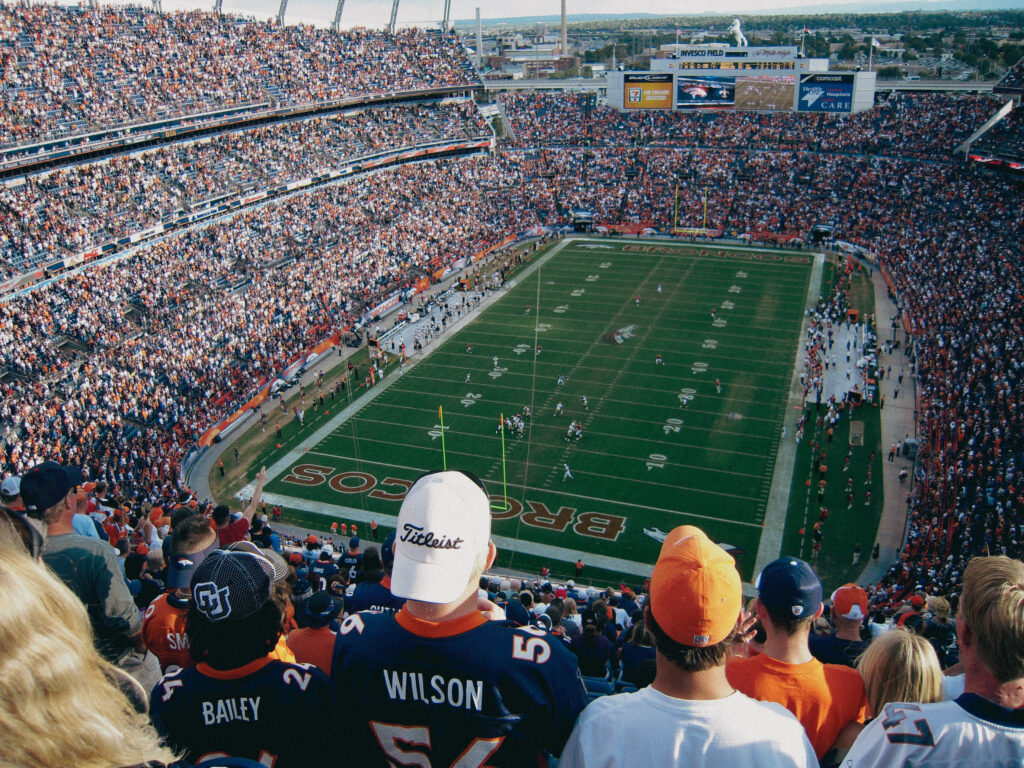
The Denver Broncos are interested in several locations to replace the 24-year-old stadium. Some of the sites include spots potentially in Lone Tree, Aurora, or the Denver Burnham Yard area. It’s not definite, but considering the Denver bond initiatives on the ballot this year, there is a frontrunner.
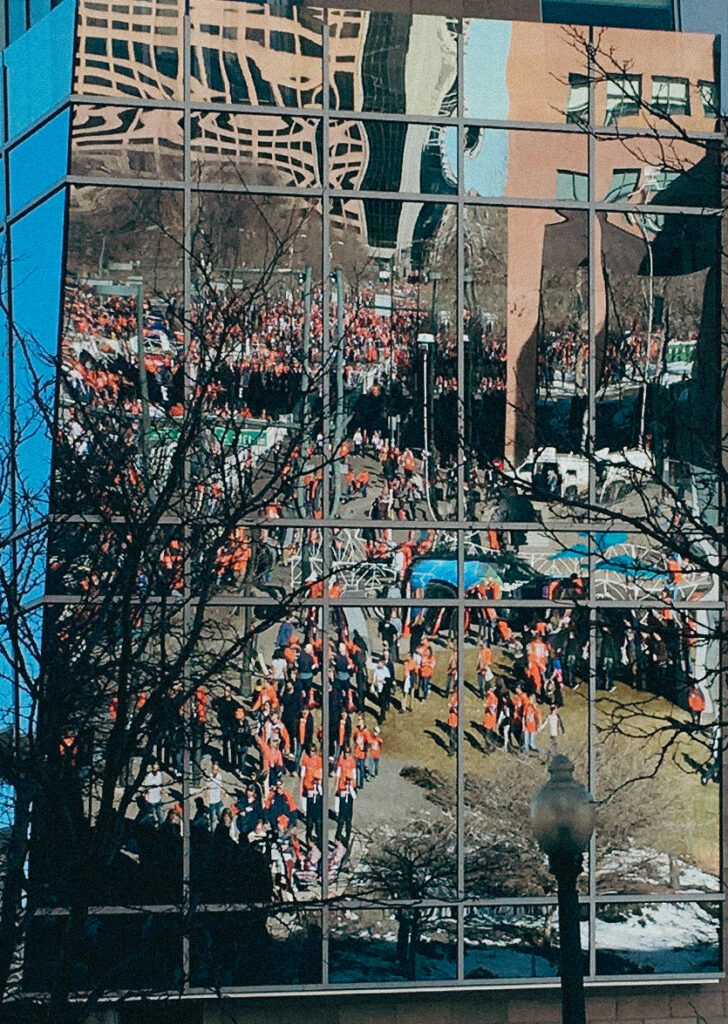
And while the debate over a new stadium began, the Broncos are celebrating their 66th season and continue to be the kings of Denver’s professional sports scene.
The Denver Nuggets and Colorado Avalanche have been on the upswing over the last decade, with championships and franchise players like Nikola Jokić and Nathan MacKinnon, while the Broncos have been in a franchise freefall since winning Super Bowl 50 in 2016.
But last season’s resurgence and first trip to the playoffs in nearly a decade proves that Broncos Country is always a few snaps away from garnering all attention from Denver sports fans.
There was a time when the NFL wasn’t the juggernaut it’s become, playing second fiddle to Major League Baseball and a moment when a second upstart football league said there’s room for one more professional sports organization.
The NFL has been around since 1920, but in August 1960 the American Football League made its way to the national spotlight. The AFL’s inaugural teams included the Denver Broncos, Oakland Raiders, Buffalo Bills, Boston Patriots, Houston Oilers, Dallas Texans, Los Angeles Chargers and New York Titans.
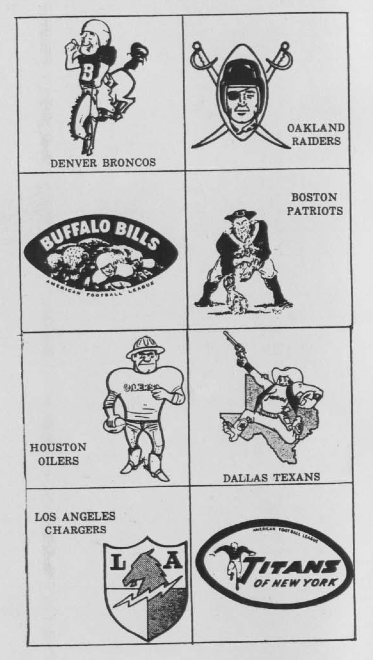
The Dallas Texans would eventually become the Kansas City Chiefs, and the Boston Patriots rebranded as the New England Patriots. The Titans became the Jets. Still, the Denver Broncos would remain the same in name.
Back before Broncos Country, Denver was Bears Country. The minor-league baseball team was the king of the Denver sports mountain.
Naming a Franchise
Today, any new professional sports team would hire a marketing firm to determine the best name for the franchise. The firm would sift through demographic data for the right choice, but the Broncos got their name from a contest created by the franchise and its powers-that-be. Residents were petitioned to submit a name for the new team.
After receiving more than 500 entries, the committee selected Lakewood resident Ward M. Vining’s entry.
While Vining was recognized as the winning choice, six other contestants suggested the Bronco’s name, including Richard J. McManus, Henry Peepgrass, Mrs. Richard Harris, Harold Nelson, Ray A. Troxe, and £. W. Erickson.
The Rocky Mountain News article states that the AFL football club wasn’t the first to be called the Broncos. In 1921, the Midwest Baseball League, consisting of teams from Colorado, Wyoming, and Nebraska, was known as the Broncos.
Building Broncos Country
The Broncos have a reputation for having one of the most loyal fan bases in the NFL. Buying a ticket to a home game is nearly impossible when they are on a playoff run. However, growing a fan base was initially a challenge.
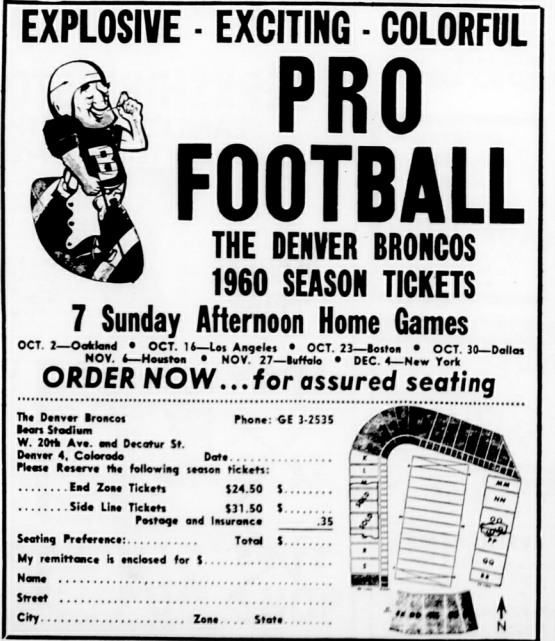
The Broncos were hunting for season ticket holders with advertisements promoting packages for their inaugural seven home games. Sideline seats cost $31.50 per seat, while end zone seats cost $24.50.
Today, the season ticket packages would be around $260.35 to $334.73, but good luck finding any below $1,000 per seat. With the waiting list, it may take a generation before even getting a chance to purchase one.
In 1960, single-game tickets were listed for anywhere from $3.50 to $4.50, a fee that wouldn’t even pay for half a beer at Mile High Stadium.
Before the first snap of the ball, Denver was home to the Denver Bears, a minor-league professional club. The team started playing baseball in town around 1947 at the old Merchant ballpark on South Broadway.
It wasn’t long before the professional team worked with local leaders to finance a new stadium in northwest Denver, between Clay and Elliot Avenues and between 18th and 20th Avenues. The stadium’s initial seating capacity would be 10,000.
When the Broncos took the field for their first home opener, Bears Stadium had a capacity of 34,000-plus. When Denver became a charter member of the AFL, the South Stands were promptly built, along with the purchase of a portable grandstand. Later, the East Stands were constructed and can be moved to accommodate baseball or football games.
Some noteworthy firsts:
Frank Filchock was tapped as the first Head Coach for the organization. The then-43-year-old played in the NFL and Canadian Football League.
Robert Howsam was the first President of the Broncos franchise. His family bought the Denver Bears and played a vital role in transforming the land that was once a city dump into an ever-expanding stadium.
The first Broncos training camp was held at the Colorado School of Mines in Golden.
The Broncos also had the distinction of being the first AFL team to win a regular season game, upsetting the Boston Patriots 13-10. It was considered an upset since the team was winless and had been punched by other teams in the preseason.
The story covering the inaugural game was a special report for the Rocky Mountain News. The caravan of beat reporters dedicated to each professional football team was decades away.
The only question most NFL fans would have today is if Frank Tripucka and Gene Mingo hit the over in their player prop bets.